.gif)


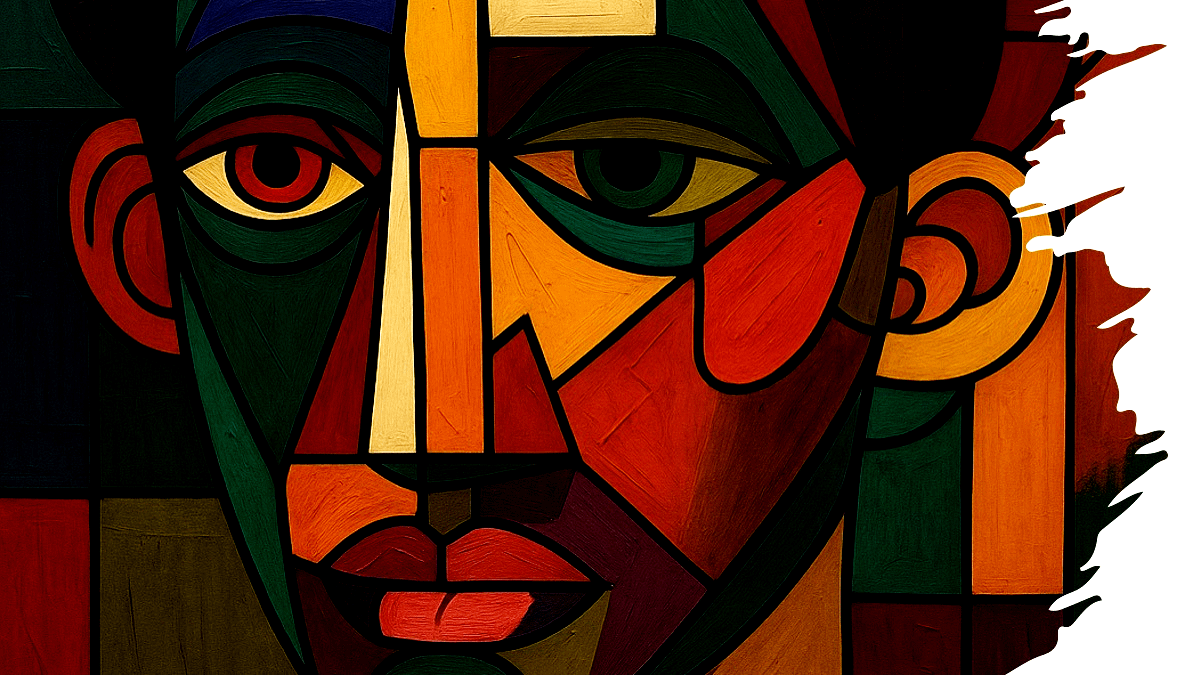
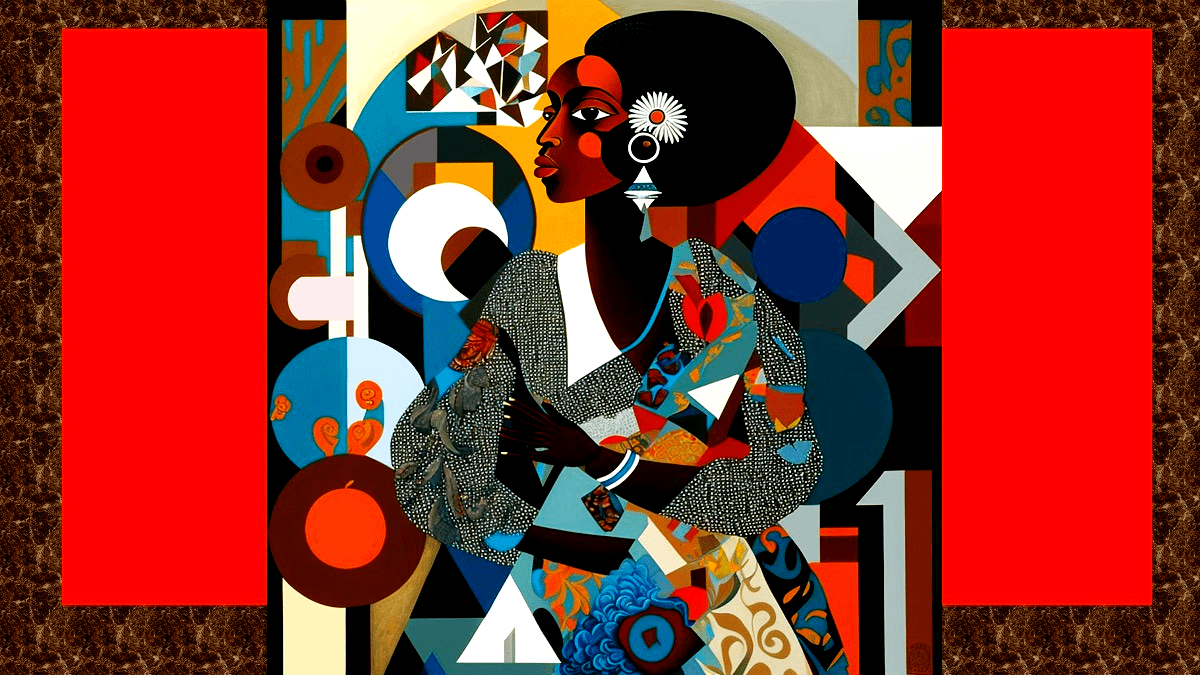
They don’t blink. They don’t breathe. But somehow, they evoke a sense of something.
A digital influencer with no pulse just got a six-figure brand deal. A CGI beauty with no pores is being called “the future face of luxury.” And half the internet can’t tell what’s real anymore… or doesn’t care to.
Welcome to the new uncanny valley. Population: all of us.
The Rise of the Beautiful Fake
Synthetic influencers, AI-generated models, and viral avatars are no longer tech novelties. They are strategic players in the game of attention, emotion, and commerce.
Lil Miquela, a CGI influencer created by Brud , with 2.6 million followers, has scored campaigns with Prada, and Calvin Klein. Now, hundreds of these digital sirens are flooding TikTok, LinkedIn, and Instagram, complete with backstories, style choices, and facial expressions that trigger a strange emotional familiarity.
But why does this work?
Because our brains are wired to believe beauty, even when it’s a lie.
👁️ Cognitive Neuroscience: The Brain Behind the Bias
Neuroscience calls it the “halo effect”—our tendency to assign positive traits (intelligence, trustworthiness, capability) to people we perceive as beautiful.
Even AI-enhanced beauty sets off this bias. A 2023 Cambridge study showed that people reported higher trust and relatability when shown digitally retouched avatars versus real human faces with visible imperfections.
What’s more, our mirror neurons—the part of the brain responsible for empathy and mimicry—don’t fully differentiate between digital realism and lived experience. If it smiles like a human and moves like a human? We connect.
But here’s the kicker: Emotional realism is beating factual realism. We no longer need something to be real—just to feel real enough.

💔 Emotional Intelligence: The Cost of Confusing Connection
And yet, this emotional outsourcing is making us lonely.
In a 2024 Gallup report, 1 in 2 Gen Z adults said they would prefer an AI “companion” to a romantic relationship “for at least part of the year.” The report concluded that digital intimacy—while comforting—was increasing emotional numbing and decision fatigue around real-world relationships.
This matters for business.
Because in the battle for brand love, trust, and loyalty, the line between emotional manipulation and resonance is thinner than ever. If your brand doesn’t understand how to build genuine-feeling experiences, you will be drowned out by gorgeous illusions that do.

📉 The AI Abyss: When Beauty Becomes the Message
Brands that chase beauty over believability risk becoming irrelevant.
Because the next era isn’t about perfect aesthetics. It’s about emotional precision. It’s about creating authentic-feeling signals that break through synthetic noise.
This doesn’t mean we ignore AI tools or visual perfection. It means we infuse it with story, meaning, and depth. Beautiful fakes can sell—but only believable brands will scale.
💡 Future-Forward Wisdom for Brands and Builders
- Build emotional credibility, not just visual appeal. Make your stories—and your synthetic assets—feel lived in, layered, and self-aware.
- Practice “aesthetic honesty.” Use beauty with purpose. Give your visuals a soul, not just surface gloss.
- Don’t outsource humanity. Design for it. Real people crave friction, feeling, and fluidity. Your product or brand should reflect that.
👁️ Final Thought: In Praise of What’s Almost Real
Maybe what we’re learning isn’t that humans love fakes. Maybe we love hope, aspiration, and the shimmer of potential that lives just outside reach.
And maybe—just maybe—the future belongs to the brands that can blend truth and beauty, AI and empathy, artifice and soul.
Not because they trick us.
But because they understand us.